
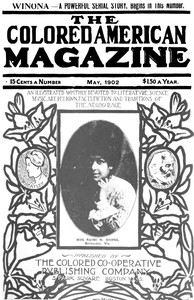
Winona : A tale of Negro life in the South and Southwest by Pauline E. Hopkins
I picked up Winona knowing very little about it, and I'm so glad I did. Pauline E. Hopkins, writing in 1902, crafts a story that is part thrilling mystery, part searing social commentary, and completely engaging.
The Story
The book opens with a powerful image: a young girl is found alone on an island in the Mississippi River. She's taken in by a kind white man, Warren Maxwell, who raises her as his own in the relative freedom of Kansas. This girl is Winona. As she grows into a remarkable young woman, the peace is shattered. The brutal Fugitive Slave Act reaches even into Kansas, and a cruel slave catcher named Colonel Titus arrives, claiming Winona and a young man named Judah as escaped property.
The heart of the story is their fight. Judah and Winona, with the help of Warren Maxwell and a network of allies, are forced to run for their lives to Canada. Their journey is dangerous and tense. But the real climax comes in a Canadian courtroom, where the mystery of Winona's birth—a secret tied to Colonel Titus himself—is finally revealed in a stunning showdown that decides their fate.
Why You Should Read It
First, Hopkins makes you care deeply about her characters. Winona is intelligent and resilient, Judah is noble and determined, and their love story feels earned against a backdrop of immense pressure. But what struck me most was how modern the conflicts feel. Hopkins doesn't shy away from showing the raw mechanics of racism and legal injustice, but she balances it with portraits of brave interracial alliance and unwavering principle.
She was writing for a popular magazine audience, so the plot moves quickly with twists and high drama. It's not a dry history lesson; it's a page-turner with a conscience. You get the suspense of the chase and the courtroom drama, all fueled by Hopkins's clear anger at oppression and her belief in the power of truth and resistance.
Final Verdict
Winona is a fantastic read for anyone who loves historical fiction with a pulse. If you enjoy stories about hidden identities, fights for justice, and resilient characters, you'll be hooked. It's especially perfect for readers curious about early African American literature beyond the usual classics. Hopkins was a pioneer, and this book is a thrilling, thought-provoking, and ultimately hopeful window into a past struggle that still echoes loudly today. Don't let its age fool you—it has plenty to say.
Dorothy Rodriguez
1 year agoVery helpful, thanks.
Kimberly Johnson
1 year agoRecommended.




Lucas Lewis
1 year agoI stumbled upon this title and the clarity of the writing makes this accessible. Definitely a 5-star read.